
4 Key Mistakes People Make When Taking Loans
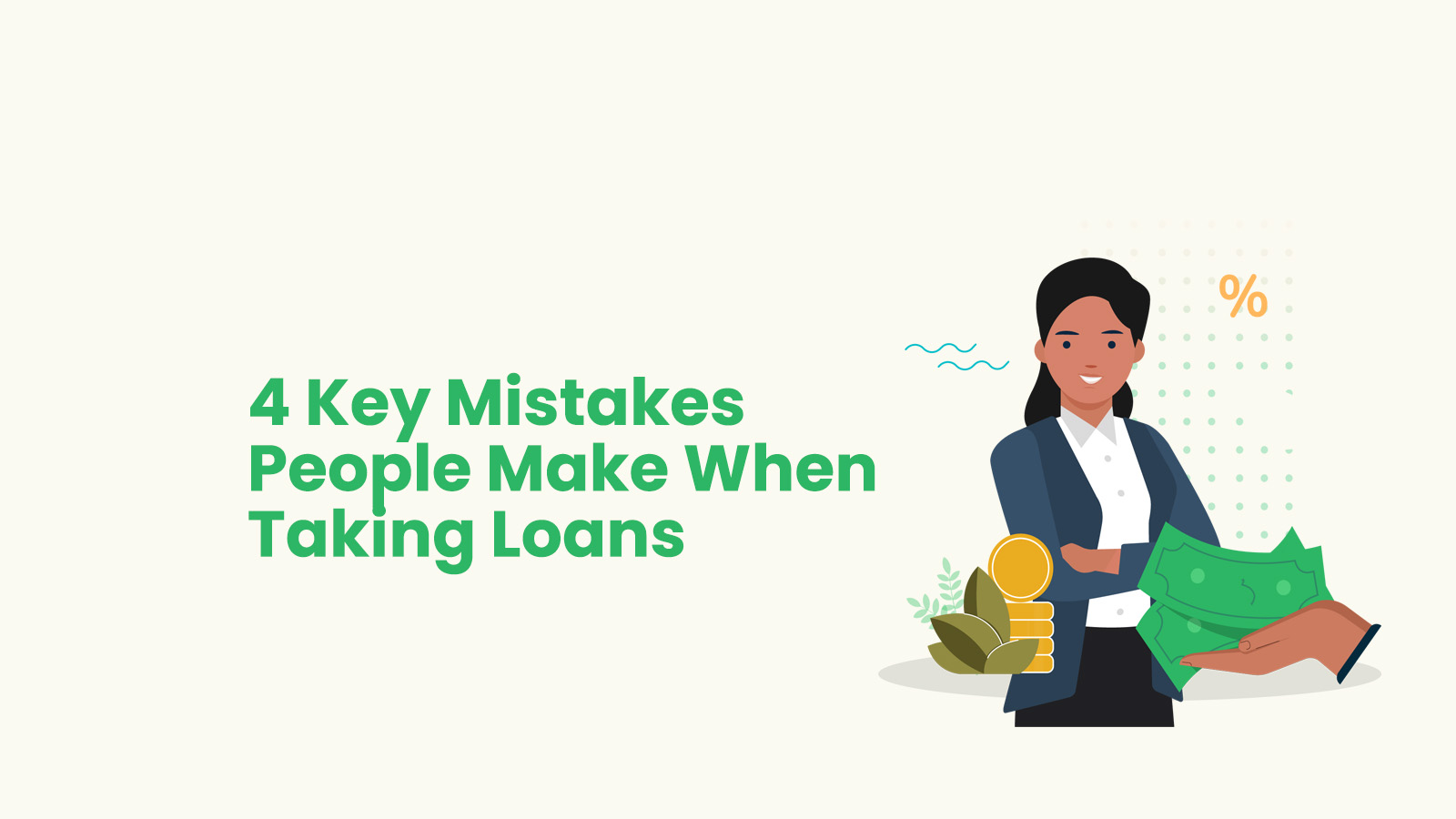
A loan can be a good relief or support during critical moments. Not only that, but it can actually propel business growth when used judiciously. Unfortunately, many people make avoidable mistakes in their attempt to access loans. While accessing a loan is a great thing, it is important to avoid these mistakes discussed in this article in the interest of both you, the borrower, and the financial institution.
1. Taking a loan without a clear repayment plan
Understandably, emergencies sometimes bring a lot of pressure. In such situations, all one thinks about is money as a solution. But there is another bit that is often overlooked or underestimated. Thus, people mostly focus only on getting the money but never think seriously about how they will repay it. They borrow based on hope instead of actual income projections, which sometimes results in missed payments, stress, penalties, and damaged trust or credit reputation. It’s very important to emphasize that a loan is not free money. Repayment is a must. So the best approach is, before signing that contract, understand: What monthly repayment amount is? Your income source that will repay this loan, ask yourself whether you can still survive financially after repayment deductions. This saves you stress and that of the lending firm.
2. Ignoring the terms and conditions
Another critical mistake is that a lot of borrowers never read or understand the terms and conditions at all. Many focus only on how much they can get as a loan, but understanding the T&Cs is part of the contract. The T&Cs usually contain key information such as interest rates, repayment schedules, penalties, processing fees, and default consequences, among others. Unfortunately, the result is usually unexpected charges and repayment pressure. For a smooth aftermath, always understand the total amount to be repaid, repayment period, interest calculation, and consequences of late payment, among others, before signing any contract. Ask for the T&Cs to be read and explain them to you, even if you can’t read. Never sign what you do not understand.
3. Borrowing more than you need
Some people also overborrow sometimes. Qualifying for a large loan doesn’t mean you should decide to take the full amount simply because it is available. It is better to borrow what you need at the moment. Don’t say I would find a use for it after taking the loan. Of course, you can always find use for money, but some issues are not worth spending loans on. Always remember, the bigger the loan, the bigger the repayment pressure may be. Therefore, borrow based on actual need, not maximum eligibility. Take only what you can comfortably repay.
4. Borrowing for luxury instead of critical needs
The last, but equally important mistake, is taking a loan for unnecessary spending. While the word “unnecessary” may be relative, spending loans on luxury phones, parties, expensive lifestyles, and impressing people, among others, are generally not worth it. It’s good to know that the debt remains long after the excitement is gone. Loans are better optimized when used for business growth, education, emergency needs, assets, or investments that can generate value.
To conclude, taking a loan can either become a stepping stone or a financial burden, depending on how wisely it is used. By avoiding these common mistakes, you can make better financial decisions, reduce unnecessary pressure, and use loans as tools for growth and stability rather than stress.
At SRF Micro Credit, we are committed to helping individuals and businesses access responsible financial support with flexible processes and guidance every step of the way. If you need a loan for business growth, emergencies, education, or other productive needs, visit us at Lapaz in Accra or contact us at 0240061709 today for a reliable and customer-friendly lending experience.
Follow SRF on Facebook, Twitter, Instagram, and LinkedIn for more.

Related Posts
Why Hardworking People Still Struggle Financially
Growing up, we were told, "Work very hard so that you can succeed”. Well, the…

When Is Taking a Loan a Smart Decision? 4 Signs It’s the Right Move
While borrowing money can create financial pressure when not properly planned, the right loan, taken…

Short-Term Loan vs. Long-Term Loan: Which Is Best for You?
The right loan is not necessarily the one with the largest amount or the longest…